
Jump to: Invited Speakers | Symposia Speakers
MMiN 2026 Invited Speakers
We are pleased to announce the Keynote Speakers for the 2026 MMiN Conference
7th September 2026
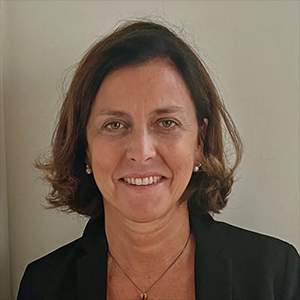
Valentina Emiliani, PhD
Vision Institute, Paris
Two-photon holographic manipulation of neuronal circuits
Talk Abstract
The genetic targeting of neuronal cells with activity reporters, such as calcium or voltage indicators, has driven a paradigmatic shift in neuroscience, where photons have replaced electrons in reading large-scale brain activities at cellular resolution. Simultaneously, optogenetics has shown that targeting neuronal cells with photosensitive microbial opsins enables the transduction of photons into electrical currents of opposing polarities. This allows for the activation or inhibition of neuronal signals in a minimally invasive manner.
These advances have, in turn, spurred the development of sophisticated wavefront-shaping techniques to enable “all-optical” interrogation of deep brain circuits with high spatial and temporal resolution across large volumes1.
In this presentation, we will discuss the most recent approaches that we have recently proposed to enhance the capacity for patterned all-optical circuit manipulation. These approaches enable efficient in vivo two-photon multitarget optogenetic photostimulation2 and voltage imaging3,4 in both head-fixed and freely moving mice5,6. As an example of patterned optogenetics, we will present a recent experiment demonstrating high-throughput connectivity mapping in the mouse visual cortex7.
1Emiliani et al. Optogenetics for light control of biological systems.
Nature Rev Methods Prime. (2022)
2G.Faini*, D.Tanese*, et al.
Ultrafast Light Targeting for High-Throughput Precise Control of Neuronal Networks
Nature Comm, 14, 1888 (2023)
3R. R. Sims*, I. Bendifallah*, et al. Scannes volage imaging
Nature Comm, 15, 5095 (2024)
4C. Grimm*, R. R. Sims*, et al. Two-photon voltage imaging with rhodopsin-based sensors
Neuron (2026)
5N. Accanto*, F. Blot *, A. Lorca* et al. A flexible two-photon fiberscope for fast activity imaging and precise optogenetic photostimulation of neurons in freely moving mice
Neuron, Jan 18;111(2):176-189.e6 (2023)
6F. Blot *, D. Decombe, et al. 2P-FENDO-II: a fiber bundle microscope for all optical brain study on large field of view in freely moving mice
Cell Reports Methods, 6 101305 (2026)
7I-W. Chen*, C. Y. Chan*, et al. High-throughput synaptic connectivity mapping using two-photon holographic optogenetics and compressive sensing in vivo
Nat Neurosci 28, 2141–2153 (2025)
Bio
Valentina Emiliani is a CNRS Research Director at the Vision Institute in Paris, where she leads the Photonics Department and the Wave Front Engineering Microscopy group. After her PhD in Physics (Univ. La Sapienza, Rome) she worked as a post doc at the Max Born Institute (Berlin) and later at the European Laboratory for Nonlinear Spectroscopy (Florence). In 2002 she moved to Paris at the Institute Jacques Monod and in 2005 formed the “Wave front engineering microscopy” group at Paris Descartes University. In 2018 she moved with her group to the Vision Institute in Paris where she also take the direction of the photonic department.
She pioneered wavefront shaping for all-optical brain manipulation, introducing spatiotemporal methods such as computer-generated holography, generalized phase contrast, and temporal focusing. By combining these approaches with two- and three-photon excitation, she demonstrated with her group in-depth optogenetics to control single and multiple neurons with cellular resolution and millisecond precision. They further developed holographic endoscopy for simultaneous photostimulation and imaging in freely moving animals, and more recently extended these methods to in vivo multitarget two-photon voltage imaging. Her current research advances optical technologies to probe functional connectivity and signal processing in mouse and non-human primate visual pathways, while also developing strategies for vision restoration in humans.
She has received numerous honours, including the Prix “Coups d’élan pour la recherche française” from the Bettencourt-Shueller foundation in 2015, the Axa Chair Investigation of Visual Circuits by Optical Wavefront Shaping in 2017. In 2019 she gave the Society for Neuroscience Presidential Conference in Chicago. She obtained the ERC advanced grant, HOLOVIS in 2020. In 2021 she obtained the “Silver Medal” form the CNRS and the Maxime Dahan Prize for Innovation in Methods and Instrumentation at the Interface of Physics, Biology & Medicine. In 2022 she obtained the Michael S. Feld Biophotonics Award, in 2023 she obtained the Grand Prix Clément CODRON de l’Académie de France and the price Irène Joliot-Curie Femme scientifique de l’année in 2025.

8th September 2026
Martyn G. Boutelle, PhD
Imperial College London
Food for thought – Neuronal activity and energy provision in the brain
Talk Abstract
Since Roy and Sherrington’s initial 1890 hypothesis, increasing insight into how the brain regulates it local blood supply in response to local neuronal activity has been gained including the control of capillary diameter, and hence local blood flow, by pericytes. Local blood flow in turn controls the delivery of energy molecules to neurons either directly as glucose, or it has been suggested, indirectly as lactate produced by astrocytes. In vivo monitoring of these energy molecules over time together with neuronal activity in the intact brain provides a lens to study this relationship. We have developed a range of real-time on-line analysis techniques for energy metabolites that can be coupled with the in vivo sampling technique of microdialysis. Using a combination of microfluidic chips and biosensors a temporal resolution can be achieved sufficient to resolve changes in extracellular levels of energy molecules over a period of days. Importantly, we can use the same measurement systems in humans patients and experimental systems.
In this presentation I will discuss the use of online microdialysis to study the relationship between neuronal activity and brain energy supply from mild physiological stimulation to complex pathophysiological situations such as stroke, cardiac arrest and human traumatic brain injury.
Bio
Martyn Boutelle is Professor of Biomedical Sensors Engineering in the Department of Bioengineering and Associate Provost (estates planning), Imperial College London.
His research group is multidisciplinary comprising, bioengineers, scientists, and clinicians. He develops novel analytical science methods using microfluidics, electrochemical sensors / biosensors, and wireless electronics to make portable (sometimes wearable) monitoring devices that typically give continuous real -time displays of tissue concentration. He then uses these in a program of clinical science research focusing on the acute traumatic brain injury including that caused by cardiac arrest. His group also works on kidney transplantation and neonatal and athlete monitoring.
Martyn is a past president of the International Society for Monitoring Molecules in Neuroscience, and a founder of the COSBID organization for studying acute human brain injury. He obtained a BSc and PhD in Chemistry from Imperial College and worked as an EP Abraham Research Fellow in the University of Oxford with MMiN pioneer Dr Marianne Fillenz

9th September 2026
Lin Tian, PhD
Max Planck Florida Institute for Neuroscience & University of California, Davis
What genetically engineered sensors tell us about the mind
Talk Abstract
To study the neural circuitry, the action of one cell in the context of others, one would precisely measure and perturb specific neuronal populations and molecules in behaving animals who are specifically engaged in performing the computation or function of interest. The dataset of millions of neurons firing together underlying a behavior is required to develop and refine theories (hypotheses) explaining animal behavior in terms of brain physiology. The focus of the lab is to develop novel genetically encoded indicators based on fluorescence proteins and chemical dyes, especially focusing on direct and specific measurement of myriad input signals with needed spatial and temporal resolutions. In this talk, I will discuss our recent progress in developing genetically encoded indicators for neuromodulators using machine-learning-based single-cell screening. I will discuss the design, characterization, and applications of these genetically encoded indicators for both in vivo imaging and drug discovery. In combination with calcium imaging and optogenetics, these sensors are well poised to permit direct functional analysis of how the spatiotemporal coding of neural input signaling mediates the plasticity and function of target circuits.
Bio
Dr. Tian is a Scientific Director at the Max Planck Florida Institute for Neuroscience. The Tian Laboratory for Optical Neurophysiology engineers biosensors and optical probes for monitoring and controlling brain activity in living, behaving research animals.
Dr. Tian and her team have created a novel class of genetically encoded indicators to sense neuromodulators, enabling the precise measurement of spatiotemporal dynamics of neuromodulator release. These tools, when combined with behavioral and circuit manipulations, can reveal the brain mechanisms underlying the control of various behaviors in health and disease and serve as drug discovery platforms for the identification of novel therapeutic targets. Dr. Tian and her research have been recognized by the National Institutes of Health Director’s New Innovator Award, W.M. Keck Foundation Research Award, Human Frontier Science Program Young Investigator Grant, Hartwell Foundation Individual Biomedical Research Award, Rita Allen Foundation Scholar Award, and NIH BRAIN Initiative grants.
Prior to joining MPFI, she was a Professor and Vice Chair in the Department of Biochemistry and Molecular Medicine at the University of California, Davis. Dr. Tian trained at Howard Hughes Medical Institute’s (HHMI) Janelia Research Campus as a postdoctoral fellow. She completed her PhD at Northwestern University.
10th September 2026
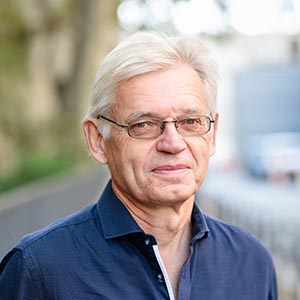
Peter Hegemann, PhD
Humboldt University of Berlin
New birds on the block for multicomponent optogenetic brain studies
Talk Abstract
The discovery of the light-activated ion channels, Channelrhodopsins, revolutionized in concert with optical reporter systems the neurosciences due to the new option to stimulate and monitor neuronal activity solely by using light. This new field of Optogenetics is now challenged by the desire to control not only membrane voltage but also transcription, translation and protein activity by light. We are currently working on two component rhodopsin-tandems that comprise a rhodopsin linked to a adenylylor guanylate cyclase (R-GCs, R-ACs) or phosphodiesterase (R-PDEs) that modulate neuronal cAMP and cGMP concentrations to promote or inhibit signalling processes involved in metabolic regulation or gene expression. In addition, we are characterizing red sensitive rhodopsins with maximal absorption beyond 600nm to regulate G-protein signalling with far-red light that is preferentially transmitted by the brain tissues. We are concentrating on bidirectionally photo-switchable rhodopsins of Crustaceans as for example Mantis Shrimps and other Crustaceans. Bidirectional switching between red and green sensitivities will allow better control of G-protein signalling compared to the so far established rhodopsins that are switchable between blue and UV or green and UV states.
References:
Broser et al. (2023) Diversity of Rhodopsin-cyclases in zoospore forming fungi. Proc. Natl. Acad. Sci USA 120(44) e2310600120. doi/10.1073/pnas.2310600120
Spreen et al. (2025) Optogenetic silencing by combining a rhodopsin cyclase with an engineered cGMP-gated potassium channel. Sci Adv. 28;11(48): eadx1195. doi: 10.1126/sciadv.adx1195..PMID: 41313760
Brouillon et al. (2025) Spectral tuning and signaling of diverse and most red sensitive visual rhodopsins that drive high colour discrimination in Mantis Shrimp eyes. bioRxiv, doi.org/10.1101/ 2025.11.25.690411
Bio
Peter Hegemann is a biochemist and biophysicist recognized for his work on the photophysiology of green alga Chlamydomonas and the discovery of channelrhodopsins as functional photoreceptors for phototaxis. Hegemann was born in Muenster, grew up in Aachen, graduated in Chemistry and got his doctoral degree in Biochemistry at the Ludwig Maximilian University (LMU) Muenchen. After a short PostDoc at the physics Department of Syracuse University, he got an independent research group at the Max-Institute of Biochemistry in Martinsried in 1986, he became Professor for Biochemistry in Regensburg in 1993, a Professor for Biophysics at the Humboldt-Universität zu Berlin in 2005, and Hertie Professorship for Neurosciences in 2016. He is a member of the German National Academy Leopoldina, the European Molecular Biology Organisation (EMBO), and the Berlin Brandenburg Academy of Science. He received numerous research awards including the European BRAIN prize and the US Lasker Award.
Research Interests:
Our research is focused almost entirely on the characterization of natural sensory photoreceptors, mainly from microalgae. We have characterized behavioral and photoelectric responses of the unicellular alga Chlamydomonas, a work that cumulated in the claim that the photoreceptors for these responses was a rhodopsin that unified the sensor and ion channel in one protein. We finally proved this hypothesis by identifying the light-gated channel channelrhodopsin, and by demonstrating its functionality in animal cells. We disclosed the fundamental principles of the channelrhodopsin and other photoreceptors in molecular detail by a wide range of genomic, biophysical, electrophysiological, and structural techniques with many mutants which led to the deciphering of the unprecedented light-gated ion channel mechanism and enzymerhodopsin function. This basic work fundamentally enabled optogenetics, the technology wherein light-activated proteins– first and foremost channelrhodopsin- allow control of selected cells within systems as complex as the mammalian brain, with unprecedented precision in space and time, by delivery of light.
MMiN 2026 Panel & Symposia Speakers
Speaker Panels
Michael Scofield, Medical University of South Carolina